
The Ruminant Reproduction Industry Promotion Conference, hosted by the Animal Reproduction Branch of the Chinese Association of Animal Science and Veterinary Medicine and co-organized by Beijing VJTBio Co., Ltd. (VJTBio), was successfully convened at the Kunlun Hotel in Urumqi recently. Closely aligned with the national strategies for seed industry revitalization and rural revitalization, the conference focused on the critical needs of the transformation and upgrading of Xinjiang's cattle and sheep industry. The event brought together top experts in ruminant reproduction from across the country, representatives from livestock management authorities at all levels in Xinjiang, and delegates from large-scale farming enterprises. By establishing a collaborative platform that integrates industry, academia, research, and government, the conference explored pathways to improve quality and efficiency in the regional livestock sector, leveraging scientific and technological prowess to support the high quality development of Xinjiang's animal husbandry.
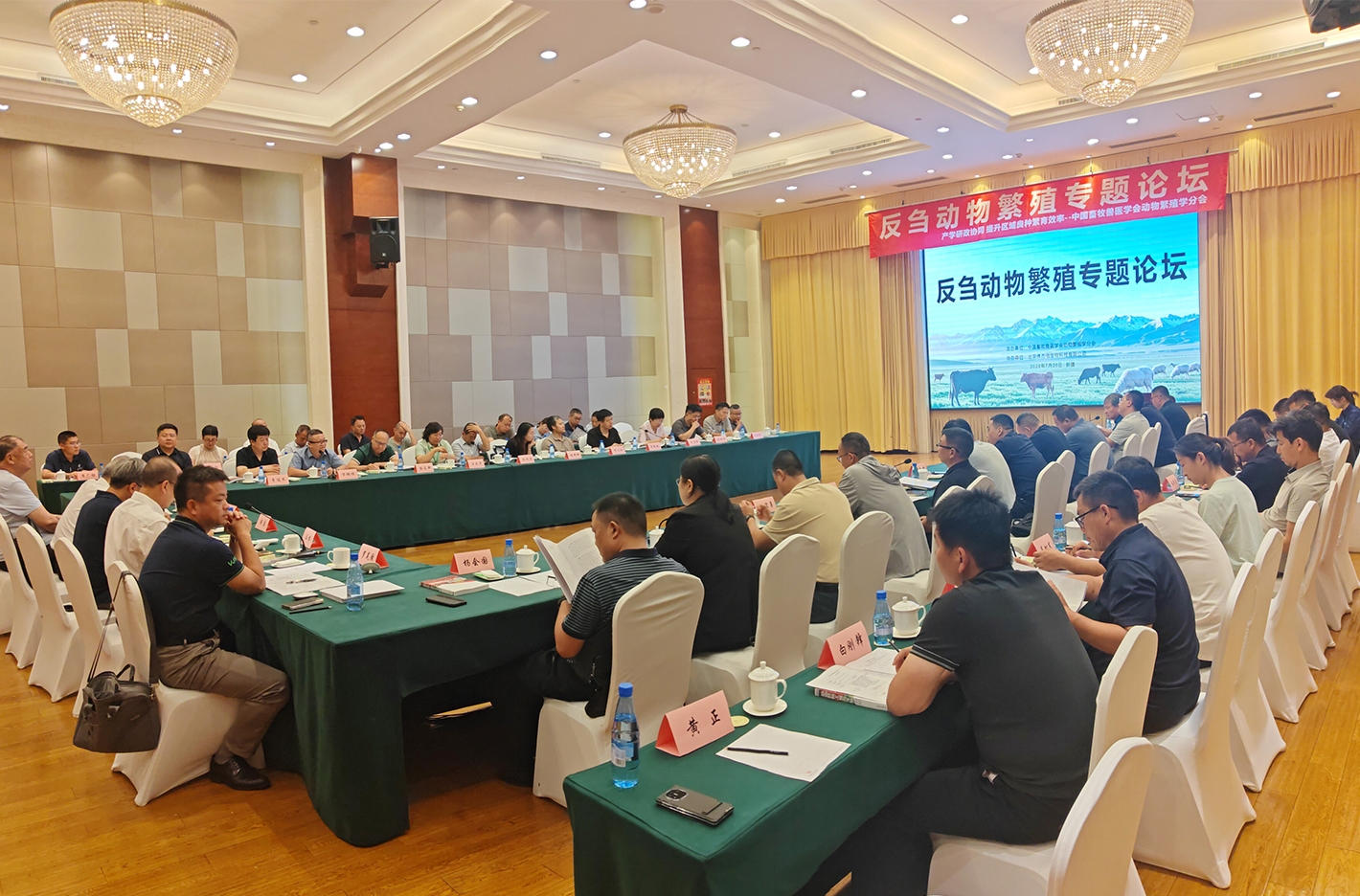
The conference was chaired throughout by Professor Wang Dong, a researcher at the Institute of Animal Sciences of the Chinese Academy of Agricultural Sciences and Secretary‑General of the Animal Reproduction Branch of the Chinese Association of Animal Science and Veterinary Medicine. The event struck a balance between in‑depth scientific research and practical industrial applicability. Professor An Lei, Chairman of the Animal Reproduction Branch, Director Deng Kangchu from the Animal Husbandry Bureau of the Department of Agriculture and Rural Affairs of the Xinjiang Uygur Autonomous Region, Researcher Shi Guoying, Honorary Council Member of the Branch, as well as distinguished experts including Lv Wenfa, Liu Guoshi, and Li Junjie attended and delivered presentations. Nearly 60 scholars and industry representatives from across Xinjiang and beyond gathered to engage in deep dialogue on the reproductive challenges facing ruminants in the region.
At the conference, Chairman An Lei clearly stated that the Animal Reproduction Branch would fully leverage the technical and resource advantages of its national industry platform to provide comprehensive support for the development of Xinjiang's ruminant reproduction industry. He emphasized the importance of bridging the "last mile" from laboratory breakthroughs to pastoral implementation in fine breed breeding technologies, thereby contributing to seed industry revitalization and the upgrading of Xinjiang's cattle and sheep sectors through scientific and technological means. Director Deng Kangchu presented an overview of the current state of Xinjiang's livestock industry, noting that cattle and sheep farming constitutes a pillar industry for increasing the income of local farmers and herders and advancing rural revitalization. He pointed out that while the regional distribution of cattle and sheep farming has been continuously optimized and that foundational breeding technologies such as artificial insemination have achieved initial breakthroughs, the insufficient technical capacity at the grassroots level remains a core weakness. He expressed the hope that this conference would serve as a bridge to connect cutting edge reproductive technology achievements from across the country with Xinjiang's local needs, filling gaps in the industry and steadily enhancing the reproductive efficiency and production levels of cattle and sheep throughout the region.
During the keynote and discussion sessions, experts including Shi Guoying, Lv Wenfa, and Liu Guoshi shared cutting edge research findings and practical industry experiences on topics such as the development of fine breed cattle and sheep breeding systems, the implementation of embryo engineering technologies, and the utilization of distinctive local livestock genetic resources. Meanwhile, Yang Huiguo, President of the Xinjiang Sheep Industry Association, Li Hongbo, President of the Xinjiang Cattle Industry Association, and representatives from prefecture level animal husbandry technology extension stations provided real world feedback on persistent industry pain points, including improving reproductive efficiency in prolific sheep breeds, popularizing artificial insemination techniques, and deploying efficient breeding solutions at the grassroots level. The attending experts responded to each issue with practical advice, fostering a substantive and productive exchange.
As a co-organizer of the conference, Professor Luo Haoshu, founder, Chairman, and Chief Scientist of VJTBio, was invited to deliver a special presentation, in which he systematically introduced the cross sector application of recombinant protein biotechnology in animal reproduction. He noted that VJTBio has been deeply engaged in the field of novel animal biopharmaceuticals for over a decade, having established an independently developed and fully domestic made industrial platform for recombinant protein biologics. The company's core recombinant product for animal reproduction has been approved as National Class I new veterinary drug, forming a comprehensive and efficient breeding technology portfolio covering multiple species including pigs, cattle, and sheep. Looking ahead, VJTBio will continue to drive the implementation of its Efficient Breeding 3.0 technology system and green veterinary biologic products in Xinjiang's cattle and sheep farming scenarios, collaborating with local research institutions and farming enterprises on technology adaptation and demonstration promotion, thereby facilitating the modern transformation of Xinjiang's animal husbandry through biotechnology.
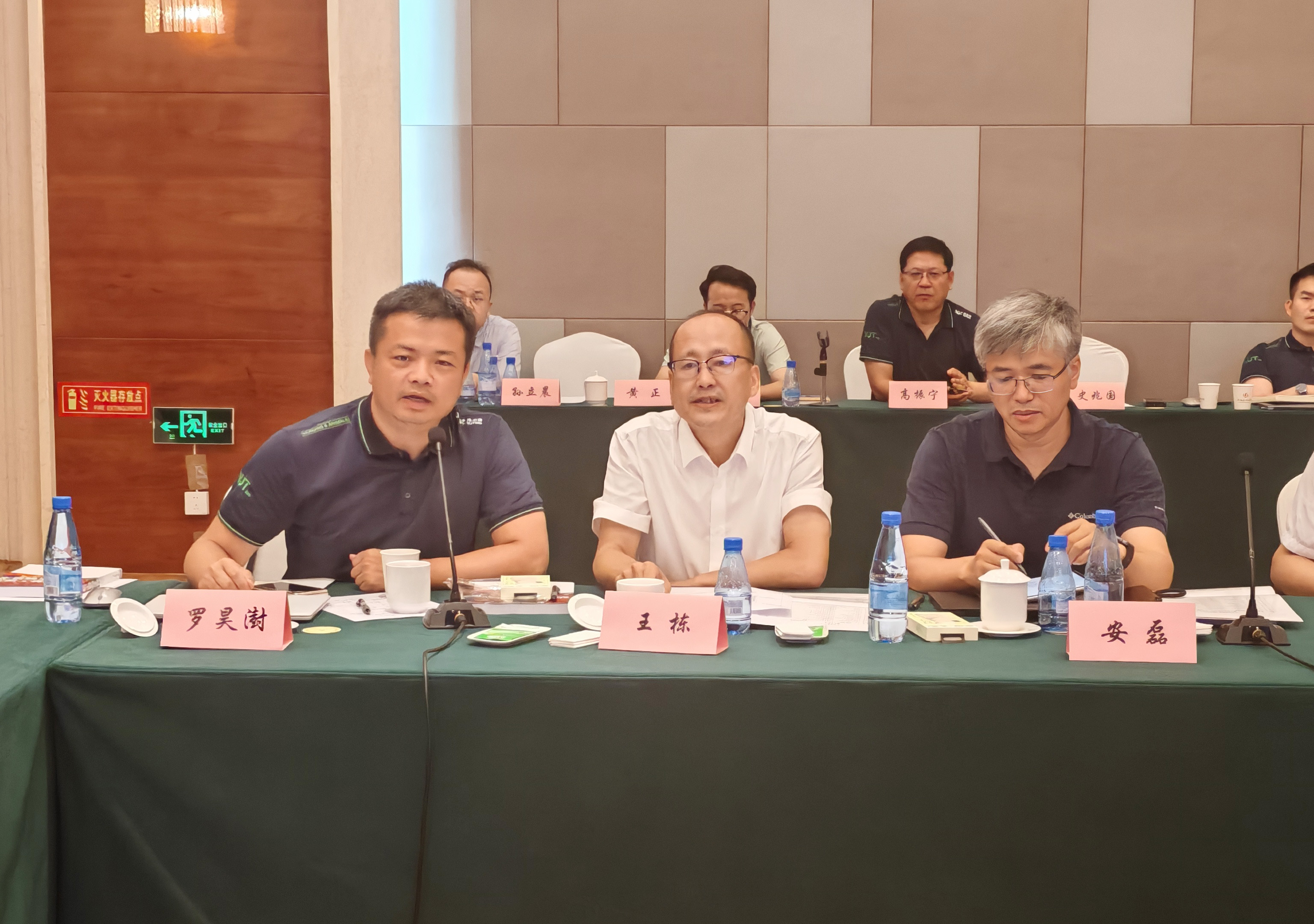
All participating parties at the conference will rely on the platform of the academic society to deepen the collaborative mechanism integrating industry, academia, research, and government. This will facilitate the adaptation of advanced national reproductive research outcomes to Xinjiang's local breeding environments and industrial characteristics, accelerate the grassroots dissemination and practical application of efficient breeding technologies, address regional shortcomings in cattle and sheep breeding technologies, and strengthen the industrial foundation for stable and reliable beef and mutton production. By empowering rural revitalization through improved breeding, the conference sets a clear path forward. VJTBio will take this conference as a pivotal opportunity to continue its dedication to the field of animal reproductive biotechnology, leveraging the technological and product advantages of its domestically produced recombinant protein drugs. The company will deeply integrate into Xinjiang's livestock industry ecosystem and continue to contribute scientific and technological strength to the revitalization of the regional cattle and sheep seed industry and the high quality development of the sector.