

HOME > Products & Solutions
OUR PIPELINE AT A GLANCE

This pipeline overview includes 8 programs across 3 product categories: Animal Reproduction, Disease Prevention & Control, and Pet Diseases.

The current status mix shown in the table includes 2 approved programs, 2 in clinical phase, 1 in clinical application, and 3 in preclinical study.

8Total Programs
3Product Categories
5Therapeutic Areas
Animal Reproduction
3 Programs
ProgramMolecule NameTherapeutic AreaStatus
VJT101
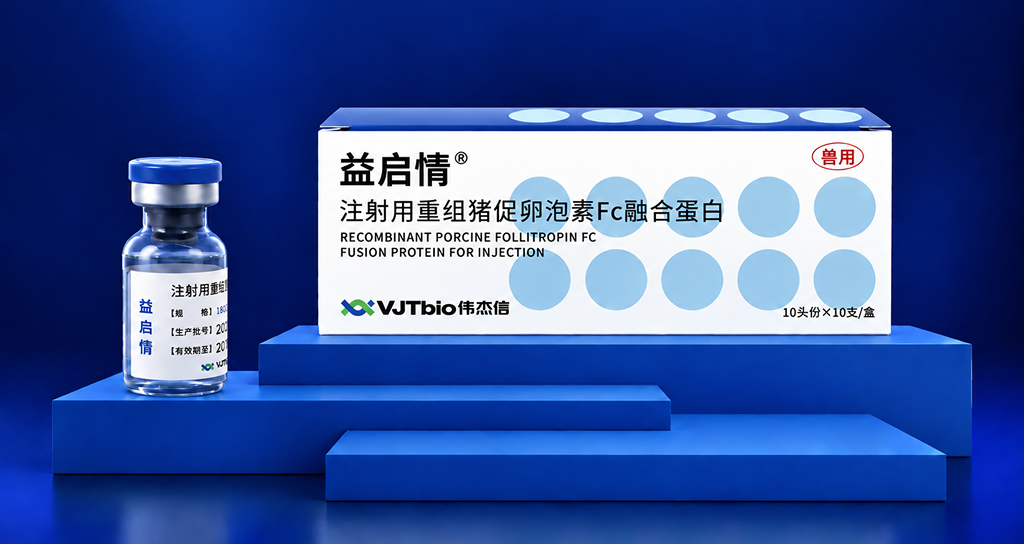
Long-acting Follicle Stimulating Hormone
Reproduction
Approved
VJT102
Recombinant Chorionic Gonadotrophin
Reproduction
Approved
VJT103
Reproductive Axis Regulation Hormone
Reproduction
Preclinical Study
Disease Prevention & Control
1 Programs
ProgramMolecule NameTherapeutic AreaStatus
VJT202
Fusion Protein
Porcine Epidemic Diarrhea
Clinical Application
Pet Diseases
4 Programs
ProgramMolecule NameTherapeutic AreaStatus
VJT301
Fusion Protein
Anticancer Therapy
Clinical Phase
VJT2303
Canine PD-1 Antibody
Anticancer Therapy
Clinical Phase
VJT2403
Canine IL-31 Antibody
Atopic Dermatitis in Dogs
Preclinical Study
VJT2503
Canine NGF Antibody
Pain Treatment
Preclinical Study
PRODUCTS
Explore our current reproductive product portfolio. Click into each product to view the full detail sheet, specifications, and application directions.
SOLUTIONS
Explore our reproductive solution pathways across gilt introduction management, second-litter
syndrome intervention, and superovulation support for reproductive potential enhancement.
Gilt Introduction Management

Gilt Introduction Management

In most pig farms today, the first mating age is concentrated between 240-260 days, resulting in generally high entry costs. About 65% of gilts do not receive estrus management, and overall utilization rates range from 60% to 80%. Consequently, entry costs vary significantly across farms.

Treatment of "Second-Litter Syndrome"

Treatment of "Second-Litter Syndrome"

"Second-litter syndrome" is a common global issue in weaned sows, characterized by "one high and two lows": high culling rate, low post-weaning estrus rate, and low litter size. This severely undermines herd reproductive efficiency and increases farm production costs.

Superovulation for Reproductive Potential Enhancement

Superovulation for Reproductive Potential Enhancement

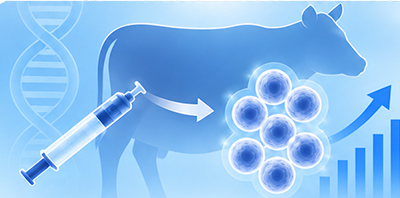
Current superovulation protocols employ short-acting FSH preparations, necessitating multiple consecutive injections. This induces stress responses in donor cows and incurs substantial labor costs, thereby increasing the overall cost of applying the technique in cattle operations.